PUNE DOCTORS WARN OF RISING INFLUENZA SEVERITY LINKED TO DELAYED TESTING AND WORK PRESSURE
Medical professionals in Pune are raising alarms over a significant rise in severe influenza cases this monsoon, identifying a dangerous trend of delayed medical intervention and workplace pressure. Doctors report that many residents are attempting to power through illness, leading to complications that could have been avoided with timely care.
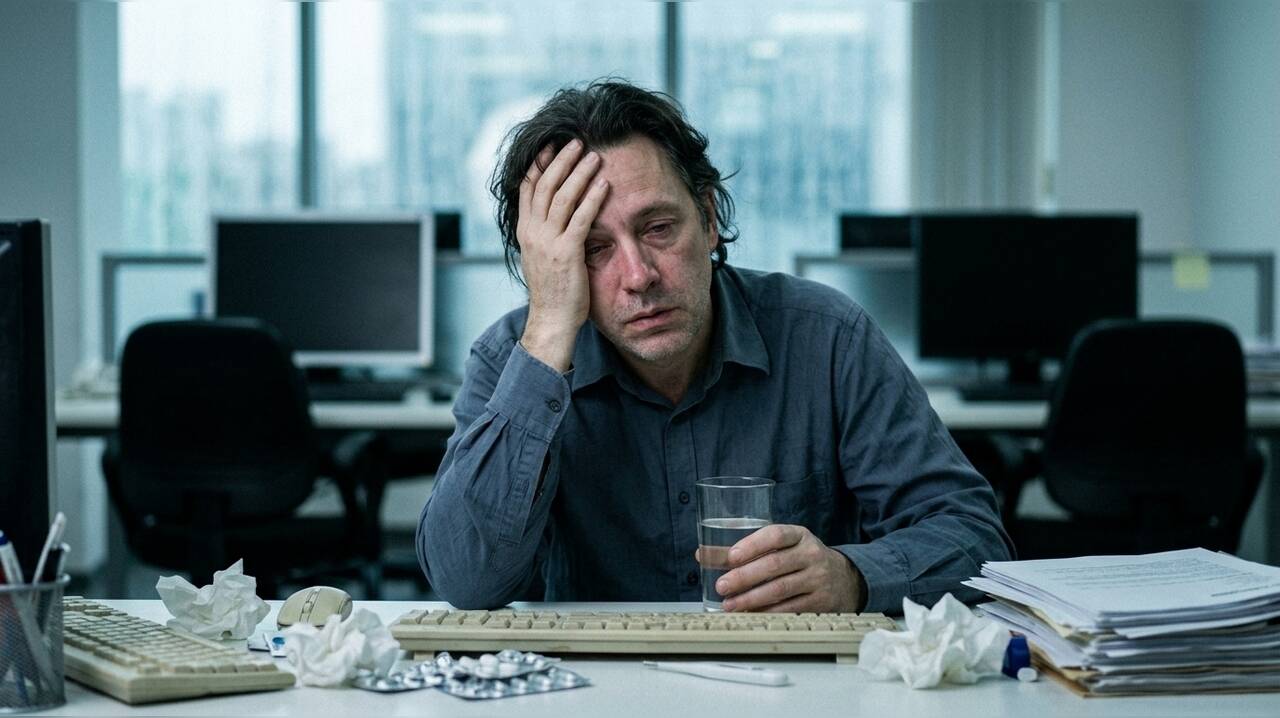
The surge is being driven by a combination of self-medication and a reluctance to take time off work, even when experiencing clear symptoms such as high fever, persistent dry cough, and body aches. Healthcare providers warn that these symptoms are frequently dismissed as minor seasonal ailments, causing patients to delay professional testing until their conditions have already worsened.
The Risks of Ignoring Early Symptoms
The clinical landscape in Pune currently shows an uptick in hospitalisations, particularly involving H1N1 and Influenza A. Experts note that the habit of continuing to work while symptomatic is not only exacerbating individual health outcomes but also increasing the risk of transmission to colleagues and family members. Dr. Aparna Kodre, a senior consultant at Noble Hospitals and Research Centre, highlighted that working-class patients are frequently arriving at medical facilities in advanced stages of illness, transforming manageable infections into complex cases requiring intensive care.
The concern extends to vulnerable populations, including senior citizens with existing health conditions and young children. Dr. Jayant Khandare, a specialist in paediatrics and neonatology at Surya Mother and Child Super Speciality Hospital, noted that even healthy adults are presenting with severe symptoms, including pneumonia and respiratory distress. According to Dr. Mahendra Dadke of Jupiter Hospital, many patients only seek help after reaching a state of severe dehydration or respiratory struggle, often after attempting to manage high fevers at home for several days.
Preventative Measures and Medical Advice
To mitigate the impact of the current surge, medical experts are urging residents to prioritise early evaluation over self-treatment. The consensus among doctors is that persistent symptoms—specifically high fever, breathlessness, and extreme weakness—should be treated as red flags requiring immediate medical attention rather than routine viral infections.
Beyond seeking early diagnosis, doctors recommend a strict adherence to hygiene protocols to curb the spread of the virus. This includes maintaining proper hydration, getting adequate rest, wearing masks when symptomatic, and isolating from vulnerable family members. Healthcare providers stress that early recognition remains the most effective strategy for preventing severe outcomes, particularly for those at higher risk of complications. Residents are advised to monitor their health closely and consult a physician at the first sign of influenza-like illness to ensure they receive appropriate treatment before the condition escalates.
2026-09-14T19:54:48Z